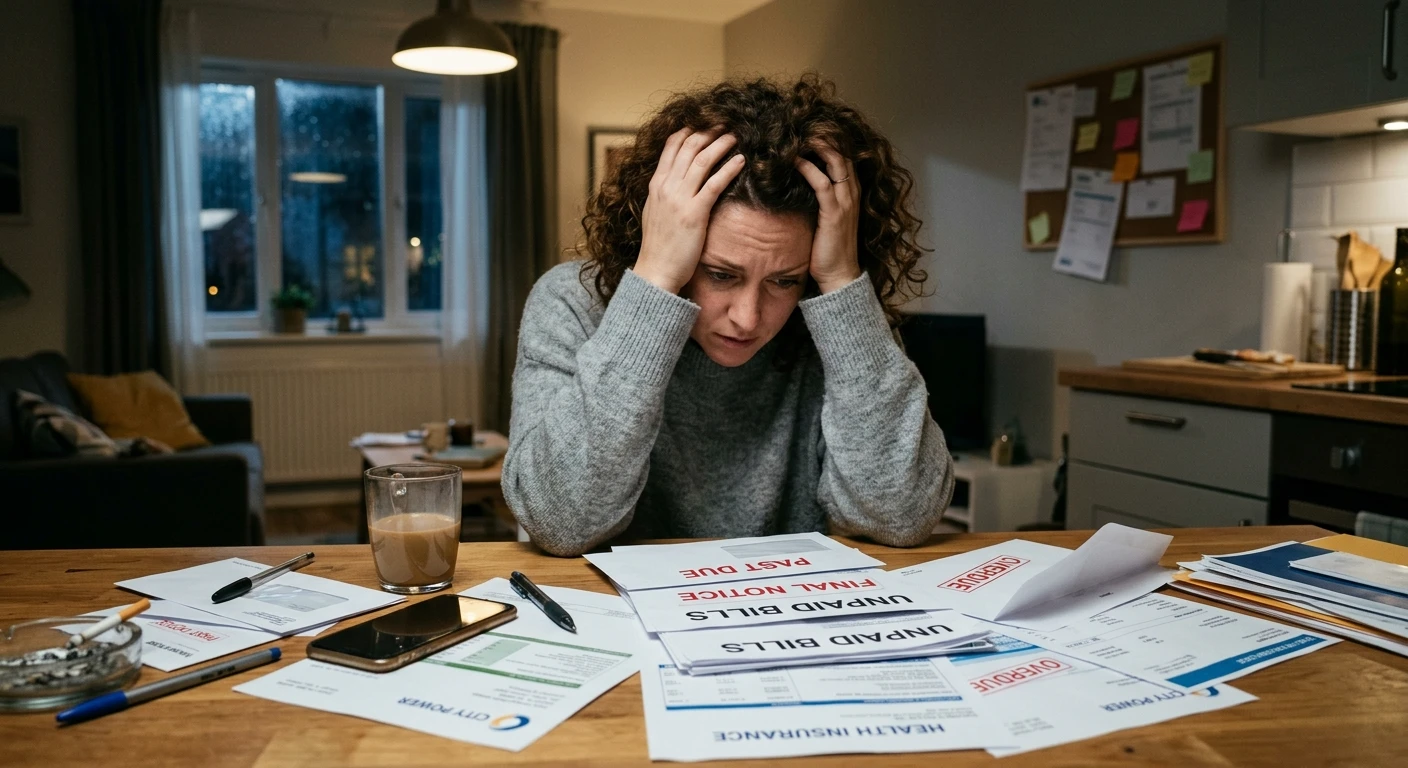
Ali sat at his desk, staring at a broken laptop, a missed deadline, and an angry client email. “Everything is a problem today,” he sighed. A problem is anything that causes trouble or needs a solution. People use this word every day, at work, at home, and in school, because life always brings small and big problems to solve. Writers and English learners often repeat the word “problem” too much, which makes their writing feel flat. Learning synonyms of problems helps you speak and write with more color and precision.
This article explores the meaning of “problem,” its history, pronunciation, grammar, and 30 useful synonyms of problems, each with simple examples.
You will also learn how these synonyms of problems fit into different situations, from small daily troubles to serious crises. By the end, you will understand synonyms of problems well enough to use them naturally in your own conversations and writing.
Meaning of Problem
Definition
Problem (Noun): A problem is a situation, question, or matter that causes difficulty and needs a solution.
Examples
- The team found a problem in the new software.
- Losing her keys was a small problem in her busy morning.
Connotative Meaning
Connotation is the feeling or idea a word carries beyond its plain meaning (this is the emotional color attached to a word).
- Positive tone: Sometimes “problem” suggests a challenge worth solving, like a puzzle.
- Negative tone: Often it feels stressful, worrying, or unwanted.
- Neutral tone: In technical or scientific writing, “problem” is simply a factual term for a task to solve.
Etymology
- The word “problem” comes from the Greek word problema, meaning “a thing put forward” or “a task.”
- It passed into English through Latin problema and Old French probleme.
- Old English (450–1100): The word did not exist yet. Old English speakers used native words like “bealu” or “yfel” for trouble or harm.
- Middle English (1100–1500): English began borrowing French and Latin words during this period, setting the path for “problem” to enter the language.
- Modern English (1500–Present): “Problem” became common in English by the 1500s and is now one of the most used words for describing difficulty.
Pronunciation (US & UK – IPA)
- US: /ˈprɑː.bləm/
- UK: /ˈprɒb.ləm/
Syllables
prob-lem
Affixation Pattern of Problem
- Root: problem (from Greek problema)
- Prefix: none
- Suffix: none (base word); -atic added in the adjective form
Word Formation of Problem
- Problem (noun) — the base word
- Problematic (adjective) — describing something that causes difficulty
- Problematically (adverb) — in a difficult or troublesome way
- Problematize (verb) — to treat something as a problem
A List of Powerful Synonyms of Problems
Below are 30 synonyms of problems. Each word describes some kind of difficulty, trouble, or challenge. Learning these synonyms of problems will help you avoid repeating the same word and sound more fluent in English.
1. Issue (Noun)
US: /ˈɪʃ.uː/ | UK: /ˈɪʃ.uː/
Meaning: A matter or point that needs discussion or causes concern.
Examples:
- There is an issue with the printer again.
- We need to fix this issue before the meeting.
2. Difficulty (Noun)
US: /ˈdɪf.ɪ.kʌl.ti/ | UK: /ˈdɪf.ɪ.kəl.ti/
Meaning: A state of being hard to do, understand, or deal with.
Examples:
- She faced difficulty finishing the report on time.
- Learning a new language brings some difficulty at first.
3. Trouble (Noun)
US: /ˈtrʌb.əl/ | UK: /ˈtrʌb.əl/
Meaning: A situation that causes worry, harm, or difficulty.
Examples:
- The car engine gave him trouble on the highway.
- She is in trouble with her boss today.
4. Obstacle (Noun)
US: /ˈɑːb.stə.kəl/ | UK: /ˈɒb.stə.kəl/
Meaning: Something that blocks progress or makes a task harder.
Examples:
- Money was the biggest obstacle to starting the business.
- They removed every obstacle before the race began.
5. Challenge (Noun)
US: /ˈtʃæl.ɪndʒ/ | UK: /ˈtʃæl.ɪndʒ/
Meaning: A difficult task that tests someone’s skill or strength.
Examples:
- Learning to code was a real challenge for him.
- The team accepted the challenge with confidence.
6. Complication (Noun)
US: /ˌkɑːm.plɪˈkeɪ.ʃən/ | UK: /ˌkɒm.plɪˈkeɪ.ʃən/
Meaning: A new problem that makes a situation more difficult.
Examples:
- A complication delayed the surgery by an hour.
- Adding more staff caused an unexpected complication.
7. Dilemma (Noun)
US: /dɪˈlem.ə/ | UK: /dɪˈlem.ə/
Meaning: A situation where someone must choose between two hard options.
Examples:
- She faced a dilemma between two job offers.
- His dilemma was choosing honesty over comfort.
8. Predicament (Noun)
US: /prɪˈdɪk.ə.mənt/ | UK: /prɪˈdɪk.ə.mənt/
Meaning: A difficult, confusing, or unpleasant situation.
Examples:
- He found himself in a strange predicament at the airport.
- The lost hikers were in a dangerous predicament.
9. Hurdle (Noun)
US: /ˈhɜːr.dəl/ | UK: /ˈhɜː.dəl/
Meaning: A difficulty that must be overcome before success.
Examples:
- Passing the exam was the last hurdle before graduation.
- Every hurdle made her stronger in the end.
10. Setback (Noun)
US: /ˈset.bæk/ | UK: /ˈset.bæk/
Meaning: An event that slows down or stops progress.
Examples:
- The rainy weather was a setback for the construction team.
- Losing the client was a big setback for the company.
11. Snag (Noun)
US: /snæɡ/ | UK: /snæɡ/
Meaning: A small, often hidden problem that causes delay.
Examples:
- There was a snag in the wedding plans.
- They hit a snag while installing the software.
12. Hitch (Noun)
US: /hɪtʃ/ | UK: /hɪtʃ/
Meaning: A small problem that causes a short delay.
Examples:
- The event went smoothly without a single hitch.
- A last-minute hitch delayed the flight.
13. Drawback (Noun)
US: /ˈdrɔː.bæk/ | UK: /ˈdrɔː.bæk/
Meaning: A negative point or disadvantage of something.
Examples:
- The main drawback of the plan was its high cost.
- Every option has some drawbacks to consider.
14. Conflict (Noun)
US: /ˈkɑːn.flɪkt/ | UK: /ˈkɒn.flɪkt/
Meaning: A serious disagreement or clash between people or ideas.
Examples:
- A conflict arose between the two departments.
- They solved the conflict through calm discussion.
15. Crisis (Noun)
US: /ˈkraɪ.sɪs/ | UK: /ˈkraɪ.sɪs/
Meaning: A very serious, urgent problem that needs quick action.
Examples:
- The company faced a financial crisis last year.
- Doctors worked fast during the health crisis.
16. Puzzle (Noun)
US: /ˈpʌz.əl/ | UK: /ˈpʌz.əl/
Meaning: A confusing problem that requires thought to solve.
Examples:
- The missing files were a real puzzle for the team.
- She loves solving a good puzzle at work.
17. Glitch (Noun)
US: /ɡlɪtʃ/ | UK: /ɡlɪtʃ/
Meaning: A small technical fault, often in a machine or system.
Examples:
- A glitch in the app caused it to crash.
- Engineers fixed the glitch within minutes.
18. Quandary (Noun)
US: /ˈkwɑːn.dər.i/ | UK: /ˈkwɒn.dər.i/
Meaning: A state of confusion over what to do next.
Examples:
- He was in a quandary about which college to choose.
- Her quandary lasted until a friend gave good advice.
19. Mess (Noun)
US: /mes/ | UK: /mes/
Meaning: A confused, untidy, or difficult situation.
Examples:
- The project turned into a total mess.
- She cleaned up the mess after the meeting.
20. Headache (Noun)
US: /ˈhed.eɪk/ | UK: /ˈhed.eɪk/
Meaning: An annoying or troublesome problem (used informally).
Examples:
- Tax season is always a headache for small businesses.
- Fixing the old car became a real headache.
21. Hardship (Noun)
US: /ˈhɑːrd.ʃɪp/ | UK: /ˈhɑːd.ʃɪp/
Meaning: Difficult conditions that cause suffering or struggle.
Examples:
- The family faced great hardship during the storm.
- Years of hardship made him more determined.
22. Adversity (Noun)
US: /ədˈvɜːr.sə.ti/ | UK: /ədˈvɜː.sə.ti/
Meaning: A difficult or unlucky situation that tests strength.
Examples:
- She stayed calm in the face of adversity.
- Adversity taught the team to work together.
23. Impediment (Noun)
US: /ɪmˈped.ɪ.mənt/ | UK: /ɪmˈped.ɪ.mənt/
Meaning: Something that blocks or slows down progress.
Examples:
- Poor internet was an impediment to remote work.
- Fear can be a real impediment to success.
24. Stumbling Block (Noun)
US: /ˈstʌm.blɪŋ blɑːk/ | UK: /ˈstʌm.blɪŋ blɒk/
Meaning: A specific issue that stops someone from moving forward.
Examples:
- The budget was the main stumbling block in the deal.
- They removed the stumbling block after a long talk.
25. Catch (Noun)
US: /kætʃ/ | UK: /kætʃ/
Meaning: A hidden problem or disadvantage in a plan or offer.
Examples:
- The free trip had a strange catch.
- There must be a catch to such a low price.
26. Complexity (Noun)
US: /kəmˈplek.sə.ti/ | UK: /kəmˈplek.sə.ti/
Meaning: The state of being complicated and hard to understand.
Examples:
- The complexity of the case confused the jury.
- New rules added complexity to the process.
27. Trial (Noun)
US: /ˈtraɪ.əl/ | UK: /ˈtraɪ.əl/
Meaning: A hard experience that tests patience or strength.
Examples:
- Raising three kids alone was a real trial for her.
- He saw the delay as just another trial.
28. Plight (Noun)
US: /plaɪt/ | UK: /plaɪt/
Meaning: A difficult, sad, or dangerous situation.
Examples:
- The news covered the plight of flood victims.
- Her plight moved the whole community to help.
29. Nuisance (Noun)
US: /ˈnuː.səns/ | UK: /ˈnjuː.səns/
Meaning: A small, annoying problem or inconvenience.
Examples:
- The noisy neighbor became a constant nuisance.
- A flat tire was a minor nuisance that day.
30. Bind (Noun)
US: /baɪnd/ | UK: /baɪnd/
Meaning: A difficult situation with few easy ways out.
Examples:
- Missing the last train left her in a bind.
- The team was in a bind without enough funding.
Prototype Meaning
When people hear the word “problem,” they usually picture something blocking their day, like a broken machine, an argument, or a missed deadline. It often brings a small feeling of stress or worry, along with the need to find a solution. This everyday picture is the prototype meaning behind synonyms of problems, even though some synonyms feel more serious and others feel more minor.
Prototype Categorization
Grouping synonyms of problems into categories helps writers pick the exact word that fits their situation.
- Small, minor problems: snag, hitch, nuisance, glitch
- Serious or urgent problems: crisis, hardship, adversity, plight
- Problems that need choices: dilemma, quandary, predicament
- Problems that block progress: obstacle, hurdle, impediment, stumbling block
- General or broad problems: issue, trouble, difficulty, mess, complication
Understanding synonyms of problems through these categories helps writers match the right tone, whether they need a light, casual word or a strong, serious one.
Antonyms of Problem
- Solution (Noun): An answer that fixes a problem.
- Ease (Noun): A state of comfort with no difficulty.
- Advantage (Noun): A helpful or favorable condition.
- Convenience (Noun): Something that makes life simple and easy.
Short Questions and Answers
- What does the problem mean? A problem is a situation or matter that causes difficulty and needs a solution.
- When should the problem be used? Use it when describing anything that causes trouble, confusion, or needs fixing.
- Is the problem positive or negative? It is mostly negative, though it can sound neutral or even positive when framed as a challenge.
- How is it different from similar words? Unlike “crisis,” which suggests urgency and danger, “problem” can describe both small and large difficulties.
Conclusion
Learning synonyms of problems improves your vocabulary and helps you avoid repeating the same word too often. Words like issue, obstacle, and setback strengthen your writing and speaking, making your English sound more natural and confident. Using different synonyms of problems also helps you express the exact size and tone of a difficulty, from a small nuisance to a full crisis. This variety builds stronger communication skills for both everyday talk and professional writing. Keep practicing synonyms of problems daily, even with just one new word at a time, and your English confidence will grow steadily.

I am a linguist with 7 years of experience in English language teaching, including postgraduate-level instruction. My expertise includes English grammar, and I contribute as a content and blog writer, producing scholarly and educational language resources.